Call Anytime 24/7
Mail Us For Support
info@vectratechnologiesuae.comOffice Address
Sheikha Mahra Ahmed Al-Ghuraer – Al-Qusais 2 – Office No. M113-0213 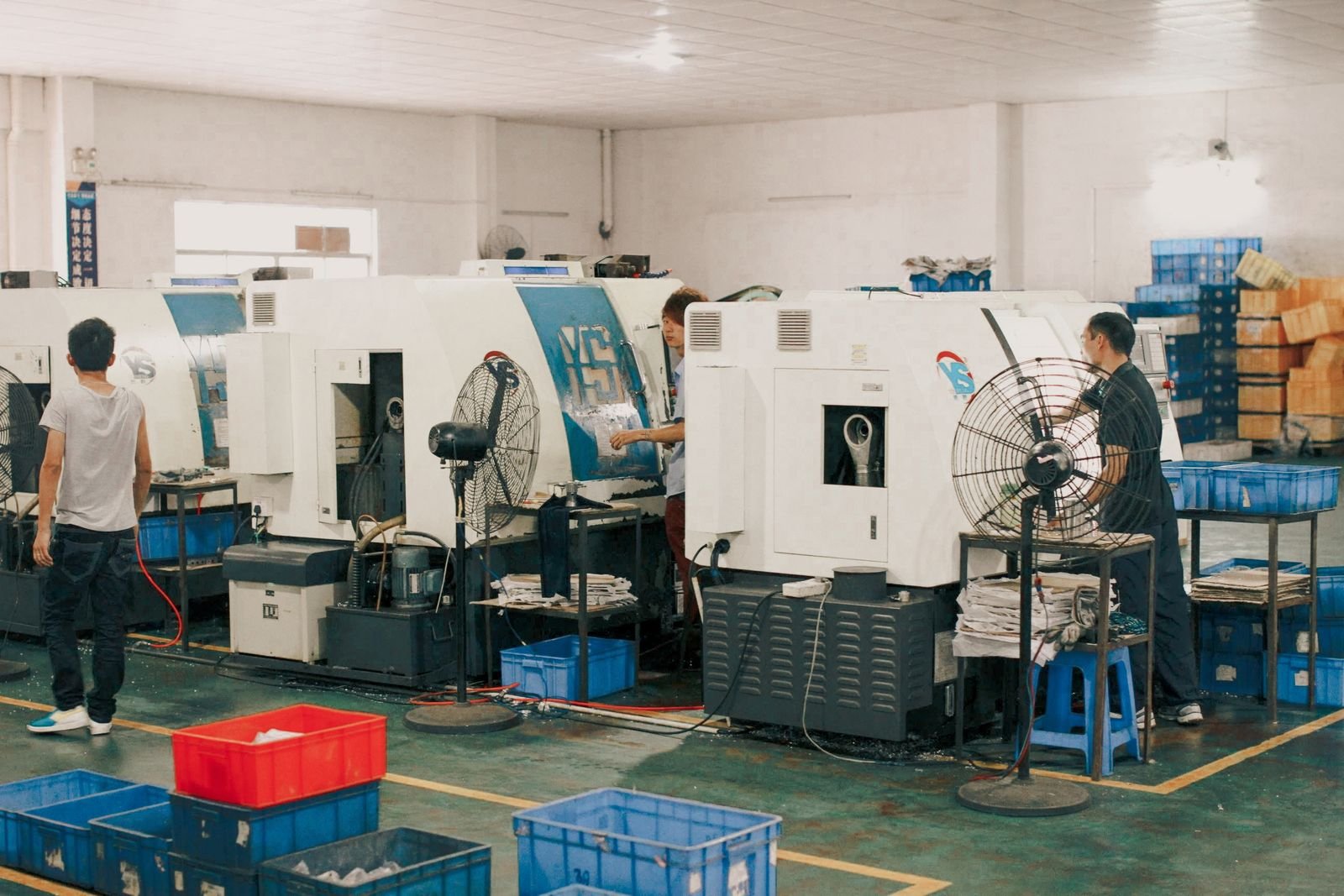
Manufacturing companies need an ERP that connects demand, materials, production capacity, quality, maintenance, inventory and finance without losing traceability between them. Odoo can provide that connected operating model, but a successful implementation depends on how bills of materials, work centres, routings, stock rules, quality controls and costing are designed before users go live.
This guide explains how UAE manufacturers can structure an Odoo manufacturing implementation and which controls should be tested before production use. For the wider delivery approach, see Vectra’s Odoo ERP implementation services in the UAE.
Odoo 19 Manufacturing supports manufacturing orders, bills of materials, work orders, work centres, shop-floor processing, subcontracting, master production scheduling, production analysis and several advanced manufacturing workflows. Odoo’s official documentation also covers multi-level bills of materials, product variants, manufacturing costs, work-in-progress, scrap, by-products and lot/serial traceability.
Source reference: Odoo 19 Manufacturing documentation.
The bill of materials is the foundation of the manufacturing model. Before configuring Odoo, the implementation team should confirm exactly what is produced, which components are consumed, the expected quantities, units of measure, substitute materials, by-products and any variant-specific differences.
A clean manufacturing master-data pack should normally define:
Complex manufacturing environments may use multi-level bills of materials. In those cases, component availability and subassembly planning should be tested end to end rather than validating each BoM in isolation.
For simple production, a manufacturing order may be sufficient. More structured environments often need work orders and work centres to represent actual production steps such as cutting, machining, assembly, testing, finishing or packing.
Odoo work centres can be used to plan capacity, schedule work orders, track operating costs, organise equipment and monitor production performance. Odoo’s documentation also exposes measures such as overall equipment effectiveness (OEE), lost time, load and performance at work-centre level.
Reference: Odoo work-centre documentation.
A routing should reflect the production sequence employees actually follow. Overly theoretical standard times can make planning look precise while remaining operationally useless.
For each operation, confirm:
Odoo can plan manufacturing work by work centre, and its documentation includes handling time off for unavailable work centres so work does not continue to accumulate against equipment that cannot operate.
Manufacturing planning should connect sales demand, forecasts, stock levels, purchase lead times and production capacity. The exact approach varies by business: make-to-stock, make-to-order, hybrid planning, subcontracting and seasonal production all require different rules.
Before go-live, test what happens when:
Production cannot be separated from inventory design. Raw materials must move from receipt to storage and then into production, while finished goods need the correct destination, valuation and traceability.
Where the business uses lots or serial numbers, the manufacturing process should preserve traceability from consumed components to the finished product. This is especially important where quality, warranty, recall, batch expiry or customer traceability requirements exist.
Odoo Quality can create quality checks during manufacturing and inventory operations. Quality Control Points can automatically generate checks at defined operations or intervals, and checks can use instructions, pass/fail, measurements or photo evidence depending on the process.
Reference: Odoo quality-check documentation.
A useful quality design should define:
Manufacturing availability depends on equipment reliability. Odoo Maintenance supports corrective and preventive maintenance requests, equipment records and maintenance teams. Equipment can also be associated with work centres so production and maintenance information are connected.
Odoo tracks maintenance indicators such as mean time between failures (MTBF), mean time to repair (MTTR) and estimated next failure based on recorded history. Those metrics become more useful once the company has disciplined maintenance data rather than informal breakdown notes.
Reference: Odoo Maintenance setup documentation.
Manufacturers that change designs, specifications or bills of materials need a controlled way to manage revisions. Odoo’s Product Lifecycle Management (PLM) app supports engineering change orders, approvals and version control around product changes. Odoo documents PLM as a separate app rather than a default part of Manufacturing.
Reference: Odoo PLM documentation.
Before implementing PLM, define who can propose a change, who approves it, when the change becomes effective, and how old work orders or inventory are handled after a revision.
Management usually wants more than a production count. Useful manufacturing reporting may include actual versus expected production time, work-centre efficiency, material consumption, scrap, unit cost, stock availability, purchase delays, production delays and profitability.
The ERP data model should be correct before advanced dashboards are added. Once the operational data is reliable, Power BI can combine manufacturing, inventory, purchasing and finance data for executive reporting.
Production users should not have to navigate a finance-oriented ERP screen to record shop-floor activity. Odoo’s Manufacturing and Shop Floor tools are intended to let operators process work orders, time activities and complete production-related steps closer to the actual operation.
During UAT, test the workflow with the users who will operate it—not only with managers or consultants. A process that is technically correct but too slow or confusing for the shop floor will create workarounds immediately after go-live.
Manufacturing implementation also affects purchasing, inventory valuation, customer invoicing and supplier billing. Finance and tax configuration should therefore be designed alongside MRP rather than added later.
Where the company is preparing for structured electronic invoicing in the UAE, product, customer, supplier, tax and invoice master data should be kept consistent from the ERP source. See Vectra’s UAE e-invoicing readiness and ERP integration guidance.
| Workstream | Key decisions |
|---|---|
| Products & BoMs | Products, components, variants, subassemblies, revisions and units |
| Work centres | Capacity, costs, equipment, calendars and alternative resources |
| Operations | Routing, sequence, expected times and dependencies |
| Planning | Demand source, replenishment, purchase lead times and production lead times |
| Inventory | Locations, reservations, lot/serial tracking, scrap and finished-goods flow |
| Quality | Control points, inspection type, tolerance and failure response |
| Maintenance | Equipment, preventive schedules, breakdown workflow and ownership |
| Reporting | Production, efficiency, material consumption, cost, delay and management KPIs |
Before loading manufacturing master data into Odoo, validate products, bills of materials, work centres, routings, warehouse locations, lots/serials, supplier-product information and agreed opening inventory as one connected dataset. This is especially important because a single wrong product code or unit of measure can affect purchasing, production, inventory valuation and reporting at the same time.
Use our Odoo ERP data migration guide for the broader cleaning, mapping, external-ID, test-import and reconciliation process.
For the broader testing framework, use the Odoo UAT checklist for UAE businesses.
Yes. Odoo Manufacturing supports work orders, work centres, multi-level bills of materials and multi-step production flows. The correct configuration depends on the physical process and warehouse design.
Yes. Work-centre reporting can include measures such as load, lost time, performance and overall equipment effectiveness, provided the required production data is recorded consistently.
Yes. The Maintenance app supports preventive and corrective maintenance requests and can associate equipment with work centres.
Yes. Once the Odoo manufacturing and inventory data is structured and reconciled, it can be integrated into Power BI using an appropriate reporting architecture. See our Odoo–Power BI integration guide.
Vectra Technologies can help design the manufacturing data model, bills of materials, work centres, inventory flow, quality, maintenance, integrations, migration and user-acceptance testing. Book an Odoo manufacturing consultation and share your products, production steps, user count and current systems.
Featured photo by Mehmet Turgut Kirkgoz on Pexels.